
Aluminium Window & Door Colours | Anodised & Powder Coat Finishes

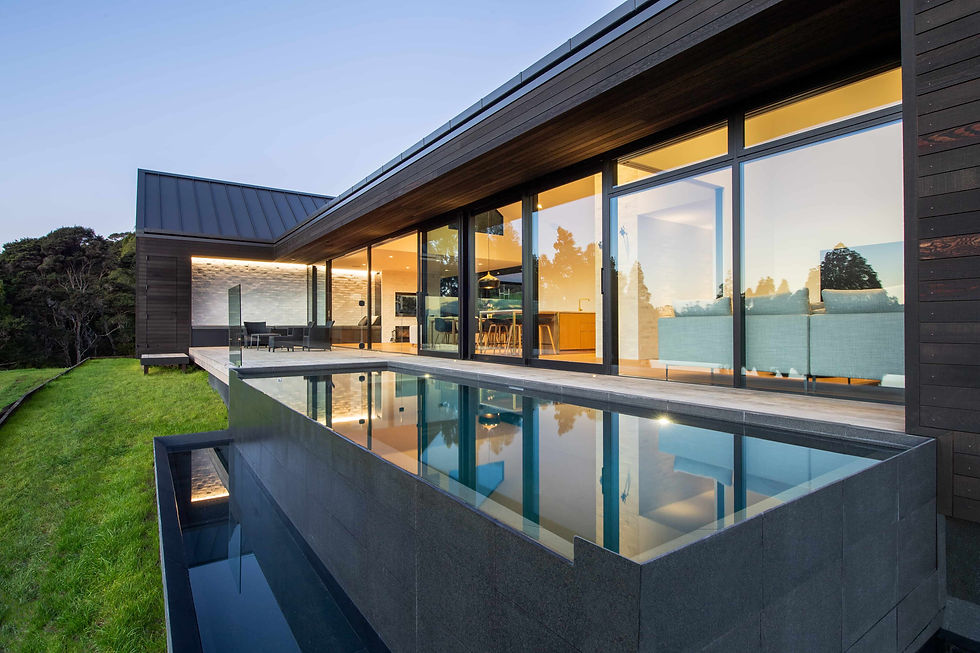
Walk past any new build or renovation in New Zealand and you'll notice a pattern: aluminium windows everywhere. They've become the default choice for good reason - but not all aluminium windows are created equal.
Here's what separates quality modern systems from cheap alternatives, when pre-made windows make sense, and what you should actually be looking for.

Why Aluminium Dominates the NZ Window Market
The Practical Reasons
Low maintenance: Powder-coated aluminium lasts 15–20 years without repainting. No rot, no warping, no flaking paint.
Coastal durability: Unlike steel (which rusts) or timber (which rots), aluminium handles salt spray without degrading. Essential for coastal New Zealand.
Slim sightlines: Modern aluminium frames can be 30–40% slimmer than uPVC or timber while maintaining strength. That means more glass, more light, better views.
Thermal performance: Modern systems come with thermal breaks as standard—polyamide strips inside the frames that stop heat conducting through the metal. Without these, you get heavy condensation and heat loss.
Design flexibility: Aluminium can be extruded into complex profiles, allowing for cleaner lines, concealed drainage, and integrated hardware that timber or uPVC can't match.
What's Changed in Modern Aluminium Windows
Ten years ago, aluminium windows had a reputation for poor thermal performance and condensation issues. That was valid criticism—older non-thermally broken systems conducted heat badly.
Modern aluminium windows have solved this:
Thermally broken frames are now standard
Polyamide thermal breaks (typically 20–30mm wide) stop heat transfer
Improved seals prevent drafts and water ingress
Multi-chambered designs add insulation without bulk
The result? Aluminium windows now match or exceed the thermal performance of uPVC while maintaining their other advantages.

Pre-Made Windows vs Custom: What's the Difference?
Pre-Made Aluminium Windows
These are standard sizes manufactured in volume and kept in stock.
Typical standard sizes:
600mm x 600mm
900mm x 600mm
1200mm x 1200mm
1500mm x 1200mm
1800mm x 1200mm
Pros:
Faster delivery (often 2–4 weeks vs 6–8 for custom)
Cheaper (20–40% less than custom)
Still quality systems if you're buying from reputable manufacturers
Cons:
Limited sizes (might not fit your openings perfectly)
Fewer configuration options (fixed vs opening panels)
Standard colours only (usually white, black, grey)
Best for:
Budget builds or renovations
Standard-sized openings
Projects with tight timelines
When you don't need specific colours or hardware
Cost: $800–$1,200 per square metre installed.
Custom Aluminium Windows
Made to your exact specifications—size, configuration, colour, hardware.
Pros:
Perfect fit for your openings
Any colour (200+ powder coat options)
Specific opening configurations
Custom hardware and details
Can match existing joinery exactly
Cons:
Longer lead times (6–10 weeks typical)
More expensive
No going back once ordered
Best for:
Architectural or high-spec homes
Non-standard openings
Renovations matching existing styles
When you have specific design requirements
Cost: $1,000–$2,000+ per square metre installed.

Modern Aluminium Window Styles
Awning Windows
Hinged at the top, opening outward. The most common window type in NZ.
Why they work:
Can be left open in light rain (overhang sheds water)
Good ventilation control
Secure (can't be opened from outside when locked)
Best for: Bedrooms, living areas, bathrooms
Casement Windows
Hinged at the side, opening outward.
Advantages:
Full opening for maximum ventilation
Easy to clean from inside (both sides accessible)
Strong weather seal when closed
Best for: Kitchens, living areas where you want wide openings
Fixed Windows
No opening mechanism - just sealed glass in frames.
Use for:
Maximising views without ventilation needs
High windows (clerestory)
Feature windows where opening isn't necessary
Keeping costs down (cheaper than opening windows)
Sliding Windows
Panels slide horizontally on tracks.
Pros:
Don't protrude when open (good near pathways or decks)
Easy operation
Suit modern, minimal designs
Cons:
Only 50% opening (one panel slides behind the other)
Tracks need cleaning
Best for: Compact spaces, modern homes, areas where protruding windows would be problematic
Louvre Windows
Multiple horizontal glass slats that crank open.
Why people choose them:
Excellent ventilation
Can angle to direct airflow
Retro/vintage appeal
Reality:
Poor weather seal (driving rain will get through)
Security concern (individual slats can be removed)
High maintenance (seals on each slat need replacing)
Colour and Finish Options
Modern powder coating technology means aluminium windows can be virtually any colour.
Black Matt Windsor Grey Matt Warm White Pearl Palladium Silver Ironsand Matt Canvas Cloth Matt
Popular choices right now:
Black Matt: The dominant choice in new builds. Sharp, modern, suits most cladding colours.
Windsor Grey Matt: Softer than black, equally versatile.
Warm White Pearl: Timeless, particularly for coastal or light-coloured homes.
Palladium Silver: Silver-grey metallic finish. Modern, practical, hides minor marks well.
Ironsand Matt: Dark metallic grey with subtle texture.
Dual colour: Different colours inside vs outside. Adds cost (20–30% more) but allows customisation - black outside, white inside is common.
Canvas Cloth Matt: Soft, neutral tone with a subtle fabric-like warmth. The color sits comfortably between warm and cool.
Choose a colour that works long-term. Trends shift, but your windows last 30+ years.
Glass Specifications for Modern Windows
Standard double glazing is minimum for new builds - Building Code requires certain R-values depending on climate zone.
Basic double glazing: 4mm glass, 12mm air gap, 4mm glass (4-12-4)
Low-E coating: Invisible coating on glass that reflects heat back into the room. Cuts heat loss by 30% for about $100–$150 per square metre. Worth it in most NZ locations.
Argon-filled: Argon gas instead of air in the gap. Slightly better insulation than air. Adds $50–$80 per square metre.
Acoustic glazing: Thicker glass and wider gaps reduce noise. Essential near busy roads. Adds $200–$350 per square metre.
Tinted or reflective glass: Reduces glare and heat gain. Good for north or west-facing windows.
The Building Performance has minimum R-value requirements by climate zone. Your windows need to meet these - quality manufacturers will ensure compliance.
Thermal Performance: What Actually Matters
Non-thermally broken aluminium windows were terrible for condensation and heat loss. Modern thermally broken systems have solved this, but you need to check.
What to verify:
Thermal break width: Look for 20mm+ polyamide thermal breaks. Wider is better.
Frame depth: Deeper frames (typically 60mm+) accommodate better glazing systems and seals.
Seal quality: Compression seals, not just brush seals. Should be durable EPDM rubber.
Double glazing: Standard in new builds, but some budget systems still offer single glazing. Don't accept it.
Low-E coating: Should be standard or at least offered. The small additional cost pays for itself in energy savings.
Quality systems from manufacturers like Altherm (through APL Window Solutions) build all of this in as standard. Cheap imports often skip the thermal break or use inferior materials.
Weather Performance in NZ Conditions
New Zealand's weather tests windows hard: driving rain, strong winds, intense UV, salt spray if coastal.
What separates good from bad:
Drainage: Windows will get water inside the frame—that's normal. Quality systems drain it away with integrated channels and weep holes.
Seals: Must be compression seals on all opening panels. Brush seals alone won't keep heavy rain out.
Wind rating: Windows must meet specific wind load ratings depending on your location and building height. The Building Code specifies this based on wind zones.
UV resistance: Powder coat and seals need UV stabilisers or they'll degrade. Quality manufacturers test for this.
Systems certified to NZBC standards (E2 for weathertightness, B1 for structural) take the guesswork out. Ask for certification documentation.
Security Features
Ground floor and accessible windows need security consideration.
What helps:
Lockable stays: Even awning or casement windows should have lockable positions, not just friction stays that can be pushed open.
Multi-point locking: For sliding windows, locks engaging at multiple points along the track.
Laminated glass: Holds together when broken. Much harder to smash through than standard toughened glass. Essential for ground floor windows.
Restrictors: Windows can be set to open only 100mm—enough for ventilation, not enough for entry.
Standard hardware on quality systems includes most of this. Cheap systems use basic latches that are trivial to defeat.
Hardware and Operation Quality
Windows get operated thousands of times over their life. Cheap hardware fails constantly.
What to look for:
Stainless steel hinges: With nylon bushings. Won't corrode or seize.
Quality handles: Should feel solid and operate smoothly. Flimsy handles indicate a flimsy system.
Stays and restrictors: Should hold windows firmly without drooping or slipping.
Rollers (for sliding windows): Ball-bearing wheels, not plastic. Should roll smoothly without force.
The difference between quality and cheap hardware is obvious within weeks. You get what you pay for.
Installation: Where Most Problems Happen
Even the best windows fail if installed poorly.
Critical installation details:
Flashing: Must integrate with building wrap and cladding. Head flashing is essential—stops water tracking down behind frames.
Fixing: Windows must be fixed to structure, not just cladding. Inadequate fixing and windows will leak or fail in wind.
Sealing: Perimeter seals between window and opening prevent drafts and water entry.
Leveling: Windows must be plumb and level or they won't operate smoothly and seals won't compress properly.
This work needs a Licensed Building Practitioner who understands weathertightness.
Don't cheap out on installation to save $500.
Common Mistakes When Buying Windows
Going too small: Undersized windows make rooms dark and feel cramped. If in doubt, go larger.
Mixing systems randomly: Different manufacturers have different profiles, colours, and hardware. Mixing them looks disjointed. Stick to one system for visual consistency.
Skipping thermal breaks: Even in mild climates, non-thermally broken windows will condensate in winter.
Choosing the wrong opening type: Think about furniture placement, external obstacles, and how you'll actually use the window. Awning windows near a clothesline won't work open.
Ignoring sun angles: North and west-facing windows need consideration for overheating. Tinted glass, external shading, or eaves help.
Budget systems in exposed locations: Coastal or high wind sites need quality weatherproofing. Cheap systems will fail quickly.
What Modern Aluminium Windows Actually Cost
Pre-made standard windows:
Small (600mm x 600mm): $600–$900 installed
Medium (1200mm x 1200mm): $1,200–$1,800 installed
Large (1800mm x 1200mm): $1,800–$2,500 installed
Custom aluminium windows:
Standard specification: $1,000–$1,500 per m² installed
High specification (Low-E, acoustic): $1,300–$2,000 per m² installed
Architectural custom: $1,800–$3,000+ per m² installed
Add for:
Non-standard colours: +10–15%
Dual colour: +20–30%
Complex shapes (arched, circular): +30–50%
High-spec glass (acoustic, tinted): +$200–$400 per m²
Installation typically adds: $150–$300 per window depending on size and access.
When Pre-Made Windows Make Sense
Good scenarios for pre-made:
Budget builds
Standard-sized openings (you're building to standard window sizes)
Rental properties
Tight timelines
Colour choice isn't critical
When custom is worth it:
Architectural or high-spec homes
Non-standard openings
Specific colour requirements
Renovations matching existing joinery
Complex configurations
Pre-made doesn't mean poor quality - it just means limited options. If standard sizes and colours work for you, save the money.

Finding Quality Systems
When selecting a manufacturer, it’s important to work with a licensed specialist using proven systems. At Phoenix Windows & Doors, we manufacture using APL Window Solutions systems, including Altherm, Metro, and other trusted brands commonly used in New Zealand.
These systems are:
Designed for NZ conditions (seismic, wind, UV, weather)
Tested to NZBC standards
Come with proper warranties
Supported by trained installers
Questions to ask suppliers:
Is this system thermally broken? (Must be yes)
What's the thermal break width? (20mm+ minimum)
What's the weathertightness rating? (Should be certified to E2/AS1)
What glass comes standard? (Should be double glazed with Low-E)
What's the warranty? (10+ years frame, 5+ years seals)
Who installs it? (Must be LBP)
Get three quotes. Cheapest will almost certainly cut corners. Most expensive isn't automatically better - but there's usually a reason for significant price gaps.
Maintaining Aluminium Windows
One of the benefits of aluminium is low maintenance, but they're not zero maintenance.
Every 6 months:
Clean glass and frames
Check and clean drainage channels
Wipe down seals
Annually:
Lubricate hinges and moving parts
Check seals for damage
Test locks and hardware
Every 5 years:
Professional service if needed
Check and replace worn seals
This is minimal compared to timber (which needs painting/oiling every 2–4 years) or uPVC (which can discolour and needs cleaning to prevent staining).
The Truth About Condensation
Even thermally broken windows can condensate under extreme conditions - it's physics, not a fault.
What causes it:
High indoor humidity
Low outdoor temperature
Inadequate ventilation
What helps:
Properly vented homes (heat recovery ventilation ideal)
Not drying clothes inside without ventilation
Using kitchen and bathroom extractor fans
Maintaining reasonable indoor temperatures
If you have heavy condensation on thermally broken, double-glazed windows, the issue is usually indoor humidity, not the windows themselves.
The Building Performance website has good information on managing indoor moisture.
Final Thoughts
Modern aluminium windows are genuinely good - when you choose quality systems and install them properly.
The key decisions:
Pre-made vs custom (budget and requirements)
Thermally broken (non-negotiable)
Double glazed with Low-E (minimum for comfort)
Quality hardware (lasts decades, not years)
Professional installation (no shortcuts)
Pre-made windows work great for most homes if the sizing suits. Custom makes sense when you have specific needs or non-standard openings.
Either way, go with proven systems from licensed manufacturers like Phoenix Windows and Doors. The small additional cost over cheap imports is paid back through performance, longevity, and not dealing with failures.
Your windows last 30+ years. Choose something that'll still operate smoothly and look good decades from now, not just what's cheapest today.
For complementary entrance doors or interior door options, check out our other guides.


Comments